
Basics of solar energy and its importance, Types of renewable energy sources, Solar radiation and its measurement, Solar energy potential and global impact, Environmental benefits of solar energy, Comparison of solar energy with other renewable sources, Solar energy policies and incentives, Future trends in solar energy.
Introduction to photovoltaic cells, Types of solar panels (monocrystalline, polycrystalline, thin-film), Working principle of PV systems, Efficiency and performance of solar panels, PV system components and configurations, Role of inverters in solar energy conversion, Energy storage options (batteries, hybrid systems), Factors affecting solar panel performance.
Basics of solar thermal technology, Types of solar collectors (flat plate, evacuated tube, concentrating collectors), Working principles of solar water heating systems, Applications of solar thermal energy (heating, cooling, industrial use), Comparison of solar thermal and PV technologies, Efficiency and performance considerations, Design and installation of solar thermal systems, Maintenance and troubleshooting.
Site assessment and solar potential analysis, Solar panel orientation and tilt angle optimization, System sizing and load calculations, Selecting components for solar installations, Wiring and electrical connections in PV systems, Safety standards and best practices in installation, Grid-connected vs. off-grid solar systems, Permits and regulatory requirements.
Types of solar batteries (lead-acid, lithium-ion, flow batteries), Battery sizing and selection criteria, Charging and discharging cycles of solar batteries, Battery management systems (BMS), Hybrid solar systems with energy storage, Grid integration and net metering, Role of smart inverters in energy storage, Advances in solar energy storage technologies.
Common solar system faults and troubleshooting techniques, Performance monitoring and efficiency optimization, Cleaning and maintenance of solar panels, Checking and maintaining battery health, Inverter troubleshooting and repairs, Safety precautions in solar system maintenance, Remote monitoring and IoT-based solar management, Case studies on solar system failures and solutions.
The objective of this course is to equip learners with fundamental knowledge and technical skills related to solar energy systems. The course covers the principles of solar power generation, photovoltaic (PV) technology, system design, installation, maintenance, and regulatory frameworks. It prepares participants for roles in the renewable energy sector or to start their own solar energy-related business or Job.
Earning a professional certification not only validates your skills but also enhances your employability. Here are the major benefits you gain.
Our certifications are designed to equip you with real-world, hands-on skills that match current industry demands — helping you become employment-ready from day one.
Your certification is valid for a lifetime — no renewals or expirations. It serves as a permanent proof of your skills and training.
Employers and institutions can verify your certification anytime through a secure and reliable verification system — adding credibility to your qualifications.
All certifications are developed in consultation with industry experts to ensure that what you learn is current, relevant, and aligned with market needs.
Candidates from ISO-certified institutes are often prioritized by recruiters due to their exposure to standardized, high-quality training.
Receive personalized job assistance and career guidance in your preferred domain, helping you land the right role faster.
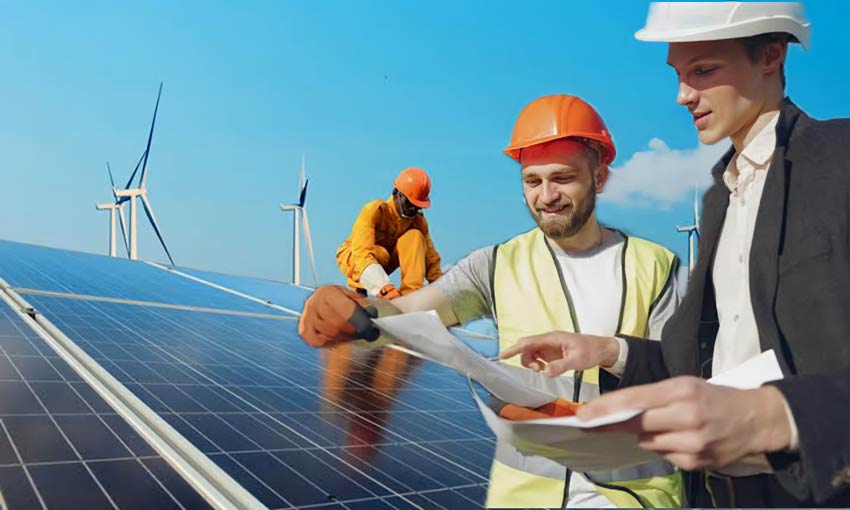
Companies involved in the generation, distribution, and storage of solar energy require professionals for various roles, such as design, installation, and maintenance.
Government bodies that focus on renewable energy development, climate change, and rural electrification programs require trained personnel to design and implement solar energy solutions.
Real estate developers and construction companies are increasingly adopting solar energy solutions for residential and commercial buildings. There are opportunities in designing, installing, and maintaining solar systems.
Consulting firms offer specialized services in designing solar energy systems, conducting feasibility studies, and advising clients on the best solar solutions. Professionals in this sector need expertise in solar technologies and regulations.
Colleges, universities, and research organizations offer research and development roles to improve solar technology, efficiency, and energy storage solutions.
Many large corporations are incorporating solar power into their energy strategy and require professionals for managing, maintaining, and implementing solar projects.
After the successful completion of a Certificate in Solar Energy program, graduates have vast career options in the renewable energy sector. The growing demand for clean, sustainable energy solutions, coupled with India’s focus on increasing solar energy capacity, has created numerous career opportunities in this field. Below are the career options and salary ranges for graduates in India.
The Indian government is heavily investing in solar energy infrastructure through initiatives like the National Solar Mission, which will further boost job opportunities in the sector. Additionally, the push for clean energy means more solar power projects, creating jobs.
As individuals and businesses adopt solar energy to reduce electricity costs and their carbon footprint, the demand for solar installation services will rise, creating more employment opportunities.
The growth of solar startups and the adoption of solar-powered technology, like solar-powered appliances, batteries, and off-grid systems, is opening up new career opportunities.
As technology continues to evolve, R&D in solar energy systems, efficiency improvements, and energy storage will create new job roles for researchers and technical experts.
Salary: ₹2,50,000 – ₹5,00,000 annually Entry-level professionals may start as technicians, installers, or assistants in project management, gaining practical experience in solar energy systems.
Salary: ₹5,00,000 – ₹8,00,000 annually Professionals with experience take on roles like project management, design engineering, or consultancy, where they have more responsibility and may work on larger projects.
Salary: ₹8,00,000 – ₹15,00,000 annually Senior professionals manage teams, oversee large projects, and may also be responsible for research, strategic planning, and regulatory compliance in the solar sector.
“I always wanted to do something meaningful and earn from home. The solar training was beginner-friendly and covered everything. I now consult people in my area for solar solutions.”